Operation Pollination
 Bees at risk of extinctionDon’t Worry About the Food Supply and Drought. Do something about it.
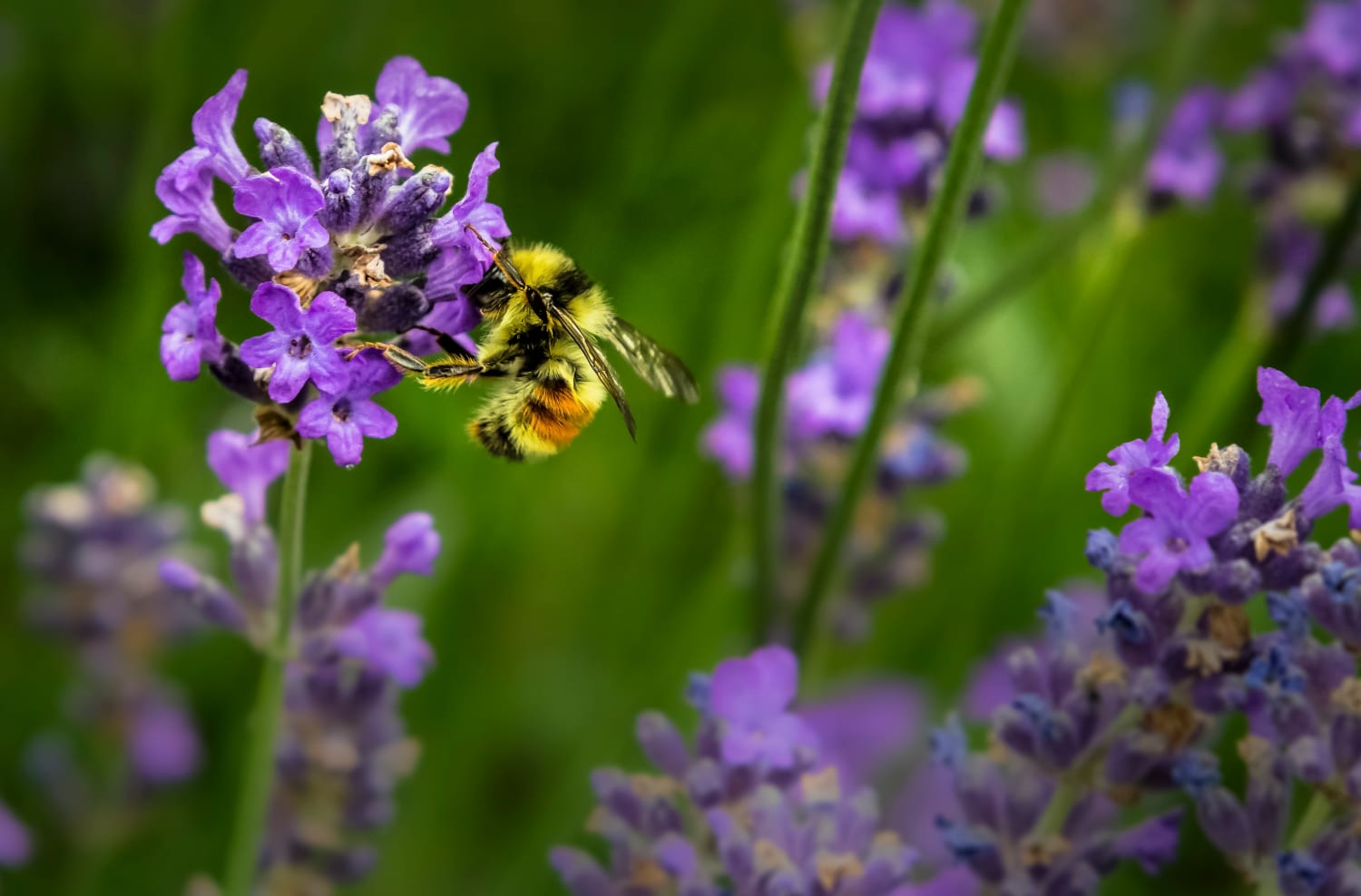
Grocery prices are up. Colorado’s experiencing a severe drought. That’s adding up to a quiet crisis: the collapse of the very insects that make a third of the American food supply possible. Wild bee populations in North America have collapsed by up to 96% in two decades, according to the Xerces Society. One in three bites of food, from almonds to blueberries to avocados, exists because a pollinator showed up to work that day. Right now, they are losing that battle.
Denver Metro South Rotary is doing something about it. And so can you in Operation Pollination.
On May 16, Denver Metro South Rotary and public volunteers (you!) will work alongside Denver Audubon and other groups at Chatfield Reservoir to support their native plant gardens which are planted specifically to support our local birds and pollinators. The work: planting native plants, assisting with garden maintenance and invasive plant removal.
This is an impactful project at an important protected habitat, executed by 100+ volunteers, coordinated across a regional coalition, and connected to a global Rotary International initiative operating in more than 200 countries.
Bring your family and friends to help out on Epic Day for Operation Pollination. The Epic Day of Service will take place at Denver Audubon Kingery Nature Center. You do not need a Chatfield Park pass because you will be entering through the Kingery entrance. See map below.
Planned Activities (~10 stations)
- Working in the gardens: weeding, pruning and watering
- Planting native plants
- Bird walks
- Birding 101 class (training room, native Colorado birds)
- Pollinator/bee education tent
- Native plant and pollinator education
- Story time! We'll read children stories about bees going on adventures.
- Additional partner organization tents
Native plants: Penstemon, blanket flower, coneflower, columbine
What to Bring:
- Sunscreen, hat, sunglasses
- Optional: gloves, trowels
- Do NOT bring seeds. It’s illegal to introduce seeds in Colorado state park areas. Denver Audubon provides the native plants.
- Water and juices will be provided at the Rotary tent
- Your parents (a perfect activity for older adults), kids, your friends and neighbors
WATCH THE STORY ON CBS NEWS April 25, 2026
WATCH VIDEO "The Pollinator Problem," which explores the indispensable role pollinators play in sustaining global food systems and identifies the specific crops that rely on them for production. It also examines the severe risks of extinction these species face and provides a practical list of drought-tolerant plants designed to help pollinators survive extreme summer heatwaves.
WATCH VIDEO "The Operation Pollination" project, organized by the Denver Metro South Rotary and global Rotarian partners, facilitates large-scale habitat restoration to protect declining pollinator populations. Running time 1:40
Other things you can do!
1. Hibernate like a bear (sleep in!) Make a donation, and we'll plant native plants on your behalf.
2. Turn your yard into a pollinator paradise with these tips below.
Five ways to save the bees by focusing on habitat:
1. Replace one patch of lawn with native plants. Residential yards have enormous potential as pollinator habitat, and converting even a portion of turf grass to native pollinator plantings makes a measurable difference. For Colorado specifically, these native species are proven to support a diversity of local pollinators, including specialist bees that depend on specific plants found only in this region. Start with one 3x3 patch. That's it.
- Spring: Golden currant, Pasqueflower
- Summer: Bee balm, Penstemon, Blanketflower
- Fall: Rabbitbrush, Goldenrod
- Anchor: Milkweed
- Structure: Serviceberry shrub
2. Plant for the full season, not just summer. Use plants that bloom from early spring into late fall, and plant in clumps rather than single specimens so pollinators can find and use them efficiently. In Colorado, goldenrod and native asters carry pollinators through fall when almost nothing else is blooming, including migrating monarchs.
3. Stop fall cleanup. Seriously. Pollinators overwinter in hollow stems, attached to plants, and in leaf litter. Cutting down perennial gardens in fall destroys these overwintering sites. Leave stems standing until early April. What looks messy to you is a nursery to them.
4. Leave bare dirt. This one surprises people. More than 75% of native bees are ground-nesters and require patches of unmulched, bare soil. A small, sunny, unplanted corner of your yard, left intentionally bare, is more valuable to native bees than most garden features.
5. Cut pesticides, especially neonicotinoids. Choose plants that have not been treated with pesticides, insecticides, or neonicotinoids. If you must use a pesticide, use the least-toxic option and apply it at night when bees and other pollinators are not active. Many nursery plants, including ones marketed as "bee-friendly," are pre-treated. Ask before you buy.
WATCH VIDEO to learn about other actions you can take!